
- Total 0 kr
Wool garments are something that the majority of all Swedes have in their wardrobes and few garments are as timeless and versatile.
Wool is a natural material that primarily comes from sheep and has been an important part of human clothing for centuries. Clothing made of wool is known for its warming ability and natural comfort, while also having a unique ability to keep the body warm even in cold weather conditions.
During the winter months (and summer for that matter) we sell a lot of wool at K&US. Of course we also get a lot of questions about how to best take care of the garments; How often should you wash? What are the benefits of wool? Why do pilling occur and how can you deal with them?
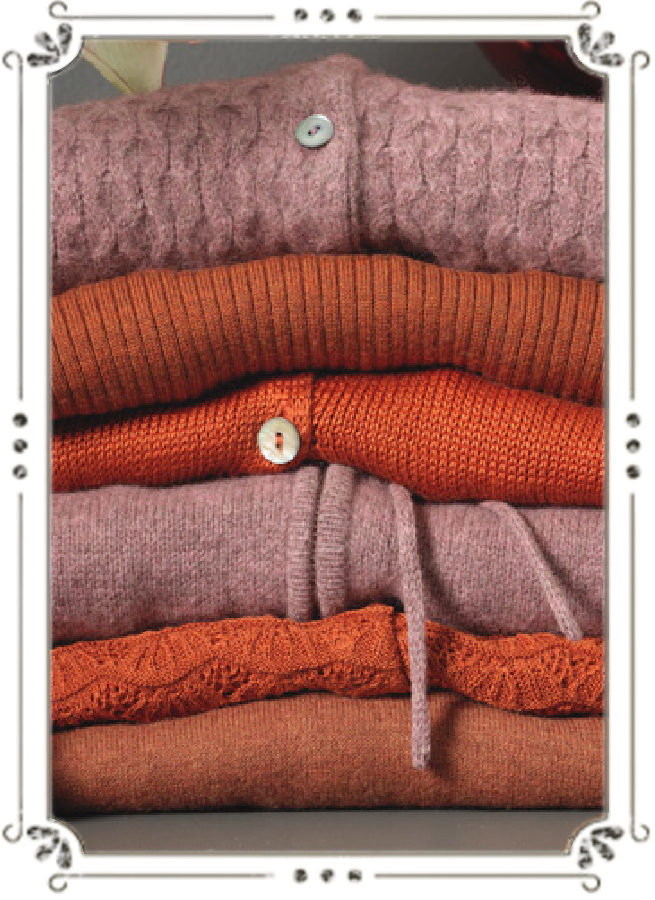
What are the benefits of wool?
The benefits of wool as a clothing material are many and we will break down some of them here:
Thermal insulation
Wool has insulating properties that come from the small air pockets that form between the wool fibers, which makes it act as a thermal barrier against the cold. This makes wool a perfect companion during the winter months.
Moisture management
Wool can absorb moisture up to 30% of its weight without feeling wet. This allows you to stay dry and comfortable even when you sweat or move in a humid environment. Wool also has the ability to release moisture into the air, which helps regulate your body temperature. You rarely feel trapped and “sticky” in a garment made of pure wool.
Natural fiber
Wool is a natural fiber that comes mainly from sheep, but also from animals such as goats and yaks. It is a sustainable and environmentally friendly alternative to synthetic materials and reduces the burden on the environment compared to the production of artificial fibers.
Durability
Wool garments are known for their durability and longevity. Wool fibers are strong and can withstand normal wear and tear better than many other materials. By investing in a wool garment, you can enjoy your garment for a long time to come, provided you take care of it properly.
Natural elasticity
Wool has a natural elasticity that allows it to stretch and return to its original shape without losing structure. This helps wool garments maintain their fit and shape even after you have worn your garment many times.
Odor repellent
A big advantage of wool is that it has natural antibacterial properties that reduce bad odor, making them perfect for long days, training or traveling.
Hypoallergenic
A garment made of 100% wool is hypoallergenic, which means that there is very little risk of the material causing skin irritation or an allergic reaction. But of course, personal sensitivity can vary.
Resistance to dirt and stains
Wool has a natural protective surface that makes it resistant to dirt and stains. The wool fiber is also self-cleaning and many times it is enough to hang your garment out to air instead of washing. It is therefore easy to keep wool garments clean and fresh.
Lots to choose from
Wool garments come in different thicknesses and textures, which makes it possible to adapt to different activities and weather conditions. Thin wool sweaters and tights can be used as a base layer on cold days, while thicker wool sweaters and cardigans can act as upper layers for extra warmth. Then top your outfit with a wool jacket or wool coat when you want to stay warm without compromising on style.
Why do pilling occur?
Despite all the benefits of wool, most people encounter the challenge of pilling, or pilling as it is also known.
Pilling is small balls of fibers that form on the surface of woolen garments through friction and wear. It is usually the shorter fibers that rise to the surface and form these small balls. The development of pilling is not an indication of poor quality, but a natural process that can affect all types of clothing, regardless of price or material. Pilling most often forms in areas that are exposed to a lot of friction, such as the sleeves, sides and back where the clothing comes into contact with other surfaces as you move.
But there are some things you can do to delay the appearance of pilling.
How to best care for your garment:
Air instead of washing
Wool's self-cleaning fibers mean that airing is enough long before the garment needs to be washed. Hang your garment out to air after use, preferably when the humidity is a little higher, so the fibers clean themselves. A wool cardigan usually only needs to be washed once a season, provided it is aired and that you don't spill anything really bad on it.
Wash with care
Wash your wool garment inside out and by hand in cool water. This minimizes friction and reduces the risk of pilling. Also use a mild detergent that is intended for wool, but avoid fabric softener, as it removes some of the wool's natural properties.
Do not wring
Avoid wringing or rubbing wool garments when wet as this can cause friction and increase the risk of pilling. Instead, pat and press gently to remove excess water.
Store correctly
Store your wool garments in a way that minimizes friction and possible contact with other fabrics. If you want to use hangers, use padded hangers that do not leave marks. Also, remember not to leave heavy wool sweaters and cardigans hanging on hangers as they can be pulled out by their weight. To avoid problems with pests such as fur moths, you may want to store your wool garments together with cedar pellets or lavender sachets.
Remove the pimples
Once the inevitable pimples are there, the most gentle way to remove them is with your fingers. Just gently pluck the pimples off one by one. You can also use a wool comb that is lightly drawn over your garment. The most effective is an electric pimple remover, but you have to be very careful not to press on the garment. The machine can then accidentally pick up the threads that should remain.